Soon, the time will come when our ancestors celebrated festivals to remember, honor, and give thanks for the support, care, and very existence of their forebears. The rituals, often held in the form of communal feasts, usually took place at the graves of ancestors, where a sacred fire was lit, and offerings from the ceremonial feast were left at the graves, typically on the eve of November 1st.
Over time, this ritual transformed into the tradition of lighting candles on graves, and in some places, people still bring a piece of cake to ancestors graves from the family feast — known as VILIJA. Before starting this feast, the head of the family would ceremonially invite the ancestors to the table, saying:
"My ancestors, come to this table to feast with us!"
After the meal, the table was typically left unset, and in the morning, pieces of the offerings were taken to the graves.
To honor the ancestors, people baked square pastries made from milk and filled with jam or poppy seeds. The festive table also included pancakes or flatbreads, as well as hearty soups made from the earth’s produce, like bean soup or cabbage soup.
This festival was called JADY — GRANDPARENTS DAY or ZHADUSHNICfE. Under this name, people expressed respect not only for their ancestors like grandfathers, grandmothers, and great-grandparents but also for a being called STOPIAN. You can find more about Stopian here:
During this festival, it was essential to make offerings to MOKOSH, the goddess from whom we are all born, and to VELES, the god of the underworld where the souls of our ancestors reside. This festive period is also associated with the end of harvest work and the beginning of the spinning and weaving season.
Before sitting down to the festive table, people would perform a ceremonial autumn plowing. On this day, it was not necessary to plow the entire field; often, a symbolic plowing of a single furrow was sufficient. Another custom of this season was decorating graves with flowers and evergreen branches.
I wish for you to remember not only your closest ancestors by lighting candles but also to feel connected to them as your roots. Let this period also be a time to realize your connection with Mokosh, our primal mother, and with the earth itself.
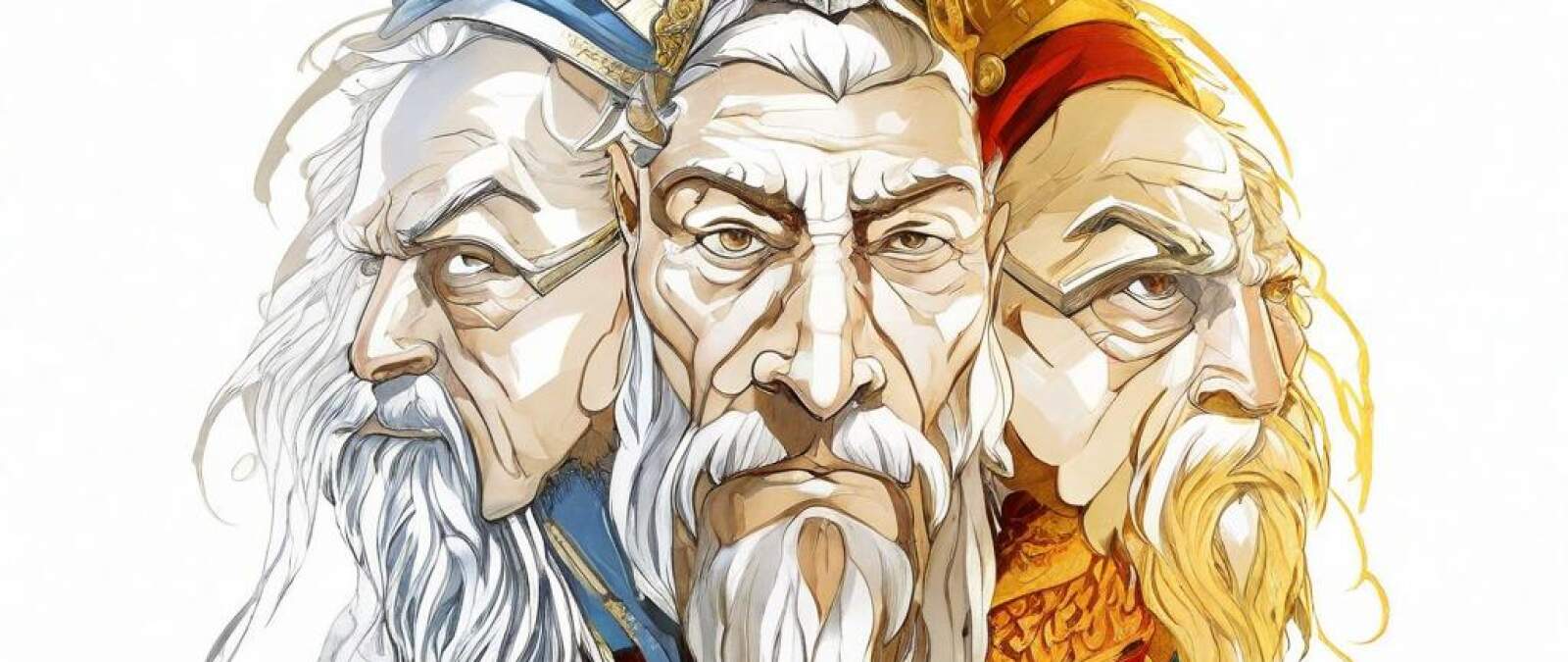
To discover more about the deities of the Ancient Slavs, see my book
GODS OF OLD SLAVS